


Before making any investment, it is crucial to understand your risk tolerance. Risk tolerance is an investor’s ability and willingness to endure potential losses in exchange for higher returns. It is a fundamental concept in personal finance, as it directly influences your investment choices, portfolio allocation, and ultimately, your financial success. A mismatch between your risk tolerance and your investment strategy can lead to anxiety, poor decision-making, and financial losses. This guide will explore what risk tolerance is, the key factors that influence it, and how you can determine your own to build a portfolio that aligns with your personality and financial goals.
I. Defining Risk Tolerance and Its Importance
Risk tolerance is a combination of two elements: your emotional capacity for risk and your financial ability to absorb it.
What is Risk Tolerance and the Role of Risk Capacity
Risk tolerance is often misunderstood as simply a measure of how comfortable you are with risk. While your psychological comfort level is part of it, a more complete definition also includes your risk capacity. Risk capacity refers to the amount of risk you can financially afford to take without jeopardizing your long-term financial goals. For example, a young professional with a stable income and no dependents has a high risk capacity because they have a long time horizon to recover from any potential market downturns. In contrast, a person nearing retirement has a low risk capacity, as they need to preserve their capital to fund their retirement years. Your risk tolerance should always be considered alongside your risk capacity to ensure you are not taking on more risk than your financial situation can handle.
The importance of understanding your risk tolerance cannot be overstated. It is the cornerstone of a successful investment strategy. An investor with a low risk tolerance who puts all their money into high-risk stocks is likely to panic and sell during a market dip, locking in losses. Conversely, an investor with a high risk tolerance who places all their money in low-risk savings accounts will miss out on significant growth opportunities over time. By accurately determining your risk tolerance, you can create a portfolio that you can stick with through both good and bad times. This prevents emotional, knee-jerk reactions to market volatility and helps you stay on track toward your long-term financial objectives.
Key Factors Influencing Your Risk Tolerance
Your risk tolerance is not a static number; it is influenced by a variety of personal, financial, and psychological factors. One of the most significant factors is your time horizon. The longer you have until you need your money, the higher your risk tolerance can be. A 30-year-old saving for retirement has 35+ years to recover from market swings, making an aggressive, high-risk portfolio a viable option. In contrast, someone saving for a down payment on a house in two years should have a very low risk tolerance for that specific goal, as they don’t have enough time to recover from a market downturn.
Another crucial factor is your financial situation, including your income stability, savings rate, and financial obligations. A person with a secure job and a large emergency fund can afford to take on more risk than someone with an unstable income and high debt. Your financial goals also play a vital role. Are you saving for a down payment, a child’s education, or retirement? Each goal has a different time horizon and risk profile. Lastly, your emotional response to market fluctuations is a key psychological factor. Some people are naturally more comfortable with risk and can remain calm when their portfolio loses value, while others experience high anxiety and are prone to making rash decisions. Honest self-reflection on these factors is essential for an accurate assessment of your risk tolerance.
II. Determining Your Risk Profile and Portfolio Allocation
Once you understand the factors influencing your risk tolerance, you can determine your risk profile and build a portfolio to match it.

The Three Main Risk Profiles and their Characteristics
Investors are generally categorized into three main risk profiles: Conservative, Moderate, and Aggressive. A Conservative investor prioritizes the preservation of capital above all else. They are unwilling to take on significant risk and are most comfortable with investments that provide stable returns. Their portfolio typically consists of a high percentage of low-risk assets like bonds, treasury bills, and cash, with a very small allocation to stocks. This profile is suitable for people with a low-risk capacity or those who are saving for a short-term goal.
A Moderate investor is willing to accept some risk for the potential of higher returns. They seek a balance between capital preservation and growth. Their portfolio is a mix of both low-risk and high-risk assets, with a significant portion allocated to both stocks and bonds. They understand that their portfolio value will fluctuate but are confident in the long-term growth potential of the market. This profile is a common choice for investors with a medium-term horizon. Finally, an Aggressive investor is willing to take on a high level of risk to maximize returns. They are comfortable with significant market volatility and are confident that they have a long enough time horizon to ride out any downturns. Their portfolio is heavily weighted toward high-risk assets like stocks, cryptocurrencies, and high-growth funds. This profile is suitable for young investors with a high risk capacity and a long-term goal like retirement.
Building a Portfolio that Aligns with Your Profile
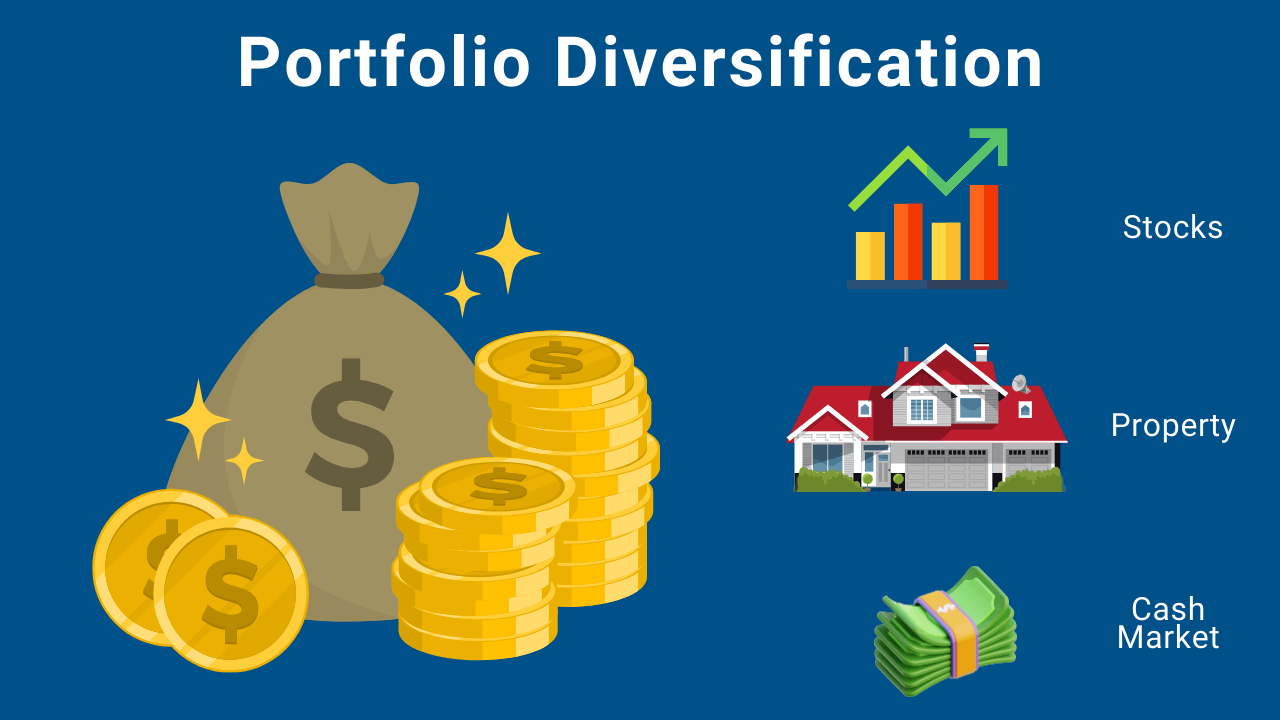
After determining your risk profile, you can start building a portfolio that aligns with it. A Conservative portfolio may be composed of 70% bonds and cash and 30% stocks. The bonds and cash serve as the anchor, providing stability and a predictable income, while the small stock allocation offers some potential for growth to keep up with inflation. A Moderate portfolio could have a more balanced allocation, such as 50% stocks and 50% bonds. This provides a good mix of growth and stability, allowing the investor to benefit from market upturns while having a cushion during downturns.
For an Aggressive portfolio, the allocation could be 80% stocks and 20% bonds/cash. This heavy weighting in stocks is designed for maximum long-term growth, as stocks have historically provided the highest returns over the long run. The small bond allocation helps to provide a small buffer. It’s important to remember that these are just examples. The exact percentages can be adjusted based on your personal comfort level. Many online brokerage firms and financial advisors offer risk tolerance questionnaires that can help you determine your profile more accurately. By building a portfolio that truly reflects your risk tolerance, you can avoid emotional decisions and stay committed to your financial plan, no matter what the market does.
Conclusion
Understanding your risk tolerance is the first and most critical step in building a successful investment strategy. It is a reflection of both your financial capacity and your emotional comfort with risk. By honestly assessing your personal circumstances and financial goals, you can determine your risk profile and construct a portfolio that you are comfortable with. A well-aligned portfolio will not only help you achieve your financial goals but also give you the peace of mind to navigate the inevitable ups and downs of the market.