


The Philippine Stock Exchange (PSE) is the central hub for buying and selling publicly listed company shares in the Philippines. For beginners, the PSE represents a powerful opportunity to participate in the country’s economic growth and build long-term wealth. Investing in the PSE means becoming a partial owner of top Filipino companies like SM, Ayala, and Jollibee. However, like any investment, it requires knowledge and a clear strategy. This guide will introduce the PSE, explain the essential steps to start investing, and discuss the benefits and risks for beginner investors.
I. Understanding the PSE and Getting Started
The first step to investing in the PSE is understanding its structure and the practical steps needed to open an account.
The Philippine Stock Exchange Index (PSEi) and Market Basics
The Philippine Stock Exchange Index (PSEi) is the main benchmark of the Philippine stock market. It is composed of 30 carefully selected common stocks that are representative of the overall performance of the market. These stocks are chosen based on specific criteria, including liquidity, free float, and market capitalization, ensuring they accurately reflect the general trend of the Philippine economy. When you hear that the Philippine stock market is “up” or “down,” it usually refers to the movement of the PSEi. As a beginner, paying attention to the PSEi gives you a high-level view of how the market and, by extension, your investments are performing.
The PSE operates a main board where the majority of trading occurs, focusing on established companies, and an SME (Small and Medium Enterprise) board for smaller, fast-growing companies. Most beginners should focus their initial investments on the main board, particularly on the stable, “blue-chip” companies that make up the PSEi, as they are generally more resilient and easier to research. The PSE operates on a T+3 settlement cycle, meaning that when you buy or sell shares, the actual transfer of money and shares happens three business days after the trade date. Understanding this basic structure is crucial for navigating the market.
Step-by-Step Guide to Opening a Brokerage Account
To invest in the PSE, you must open an account with a licensed stock brokerage firm. Individual investors cannot trade directly on the exchange. The first crucial decision is choosing the right broker. For beginners, online brokers are highly recommended due to their low commission fees, user-friendly trading platforms, and accessibility. Popular online brokers in the Philippines include COL Financial, FirstMetroSec, and BDO Securities. These brokers are regulated by the Securities and Exchange Commission (SEC) and the PSE.
The process of opening an account is straightforward and can often be done entirely online. You will need to submit several documents, including:
- A completed application form.
- One or two valid government-issued IDs (e.g., driver’s license, passport).
- Proof of address (e.g., utility bill).
- Your Tax Identification Number (TIN).
Once your application is approved, the broker will open a settlement account (for cash) and a brokerage account (for shares) under your name. You then fund your account through bank transfer or over-the-counter deposit. The minimum initial deposit is often very low, sometimes as little as ₱1,000 or no minimum at all, making it highly accessible for beginners. After funding your account, you can log in to the broker’s platform and start placing your first buy orders.
II. Benefits, Risks, and Core Strategies
Investing in the PSE offers substantial benefits but also carries inherent risks that must be managed through smart strategies.

Benefits of Investing and the Associated Risks
Investing in the PSE offers three primary benefits. First, it provides a powerful opportunity for capital appreciation, as the value of stocks can increase significantly over time, outperforming traditional savings accounts. Historically, the Philippine stock market has shown strong returns over long periods, making it an excellent hedge against inflation. Second, many blue-chip companies pay dividends, which are portions of the company’s profits distributed to shareholders. These dividends provide a passive income stream that can be reinvested to accelerate the compounding effect.
However, the PSE is subject to inherent risks. The main risk is market volatility. Stock prices fluctuate daily, and your investment value can go down. Economic downturns, political instability, and even global events can cause the entire market to fall. This is known as market risk, and it cannot be eliminated. Another risk is liquidity risk, especially with small-cap stocks; it can be difficult to find buyers when you want to sell quickly. For beginners, the risk of making emotional and impulsive decisions is also significant. Panic selling during a market crash or buying into a stock based on hype without research are common mistakes that can lead to substantial losses.
Essential Strategies for Beginner Investors
To mitigate risks and maximize returns on the PSE, beginners should adopt a few core strategies. The most effective strategy is the Buy and Hold approach, coupled with Dollar-Cost Averaging (DCA). Buy and Hold means purchasing shares of fundamentally strong companies and keeping them for five, ten, or even twenty years. This allows you to ride out short-term market noise and fully benefit from the long-term upward trend of the economy and the power of compounding. DCA involves investing a fixed amount of money at regular intervals, regardless of the stock price. This strategy ensures you buy more shares when prices are low and fewer when prices are high, lowering your average cost per share over time.
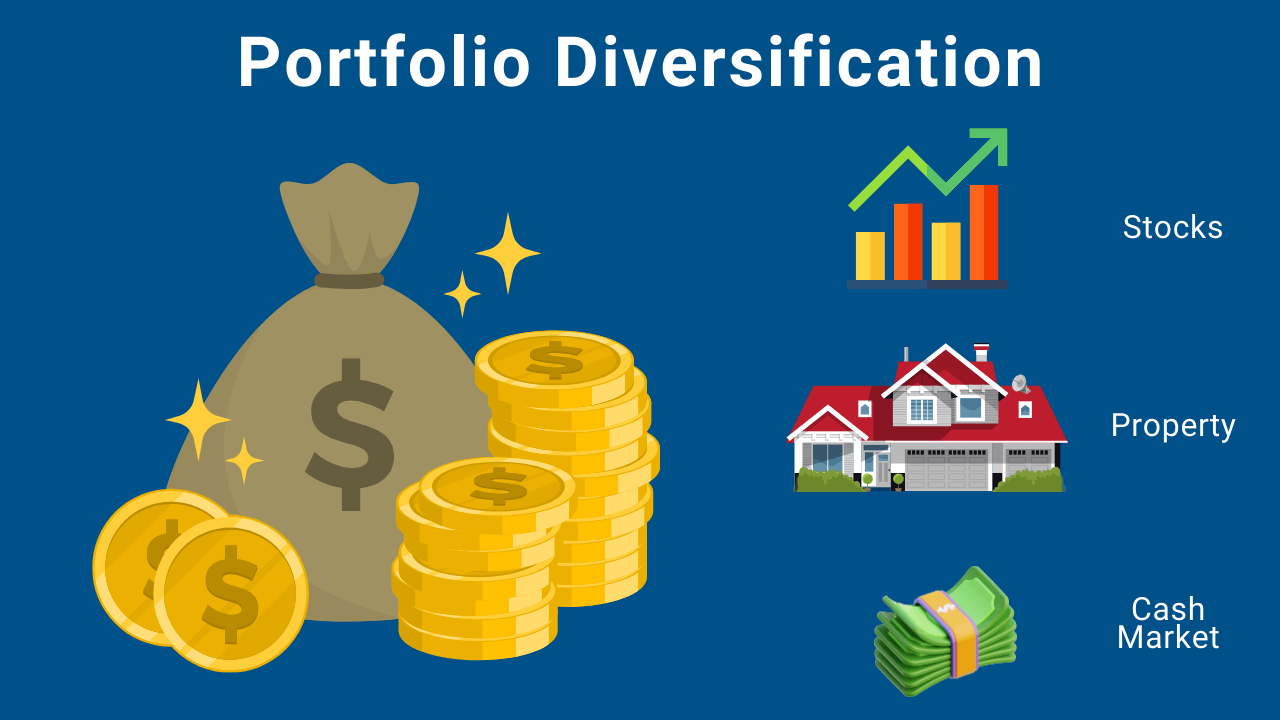
Another critical strategy is Diversification. Never put all your capital into one stock or one sector. Spread your investments across several different companies (at least 10 to 15) and across different industries (e.g., banking, property, food, utilities). If one company performs poorly, the performance of the others can compensate, thus protecting your overall portfolio. Finally, continuous education is paramount. Understand the financial reports of the companies you invest in, stay updated on economic news, and commit to continuous learning. By being disciplined, patient, and diversified, you can successfully navigate the PSE and achieve your financial goals.
Conclusion
The PSE offers a powerful and accessible path to long-term wealth creation for beginners in the Philippines. By opening an account with a reliable online broker, focusing on blue-chip stocks, and adopting disciplined strategies like Buy and Hold and DCA, you can effectively manage the risks of market volatility. The key to success is patience, diversification, and a commitment to continuous learning about the companies you own.