


For many Filipinos, investing is a concept often associated with short-term gains and quick profits. However, the true power of wealth creation lies in long-term investment. This strategy involves holding assets for an extended period, typically several years or even decades, to allow them to grow and compound over time. The Philippines offers a variety of stable and lucrative channels for long-term investors, from the stock market to government-backed savings programs. This guide will explore the best long-term investment options for Filipinos and explain how to harness the power of compounding to build substantial wealth for the future.
I. The Power of Compounding and Key Investment Channels
Understanding the principle of compounding is the first step toward appreciating the benefits of long-term investing.
The Power of Compounding and Its Long-Term Impact
Compounding is often called the “eighth wonder of the world” and is the single most important concept in long-term investing. It is the process where the returns on an investment are reinvested, leading to a snowball effect where your earnings start to generate their own earnings. This exponential growth is most effective over a long period. For example, if you invest ₱10,000 and it grows by 10% each year, after one year you have ₱11,000. The next year, you earn 10% on the ₱11,000, not just the original ₱10,000. Over a 30-year period, this difference becomes massive. Your initial ₱10,000 could grow to over ₱174,000 with a 10% annual return, all thanks to compounding.
This highlights why starting early is so crucial. A young person who begins investing in their 20s has a significant advantage over someone who starts in their 40s, even if the latter invests a larger amount of money. The long time horizon allows the investment to ride out market fluctuations and benefit from the full effect of compounding. For a long-term investor, the day-to-day movements of the market are less important than the overall trend. Their focus is on the long-term growth of their assets, which are less volatile over a 10 or 20-year period than in the short term.
The Philippine Stock Market and Mutual Funds
For long-term growth, the Philippine stock market is a primary avenue. Over the past few decades, the Philippine Stock Exchange Index (PSEi) has shown a general upward trend, reflecting the country’s economic growth. Long-term investors don’t try to time the market; instead, they focus on buying and holding shares of fundamentally strong, stable companies with a history of consistent earnings. These are typically the “blue-chip” companies that make up the PSEi, such as Ayala Land, SM Investments, and BDO. By holding these stocks for many years, investors can benefit from both capital appreciation and dividends, which can be reinvested to further enhance compounding.
However, for beginners who may not have the time or expertise to research individual stocks, mutual funds and Unit Investment Trust Funds (UITFs) are excellent alternatives. These funds pool money from many investors and are managed by professional fund managers who invest in a diversified portfolio of stocks and other securities. Investing in a mutual fund allows you to get instant diversification, which significantly reduces risk, while also benefiting from professional management. You can choose a fund that aligns with a long-term strategy, such as a Philippine equity fund, which invests in local stocks. The key is to choose a fund with a proven track record of strong long-term performance and low fees.
II. Other Long-Term Options and Strategic Tips
While stocks and mutual funds are popular, there are other long-term investment options in the Philippines that offer stability and growth.

Real Estate and Government-Backed Programs
Real estate is a highly tangible and popular long-term investment in the Philippines. It is a powerful hedge against inflation and can provide a steady source of passive income through rentals. Investing in properties in strategic locations—such as near business districts, universities, or developing provinces—can lead to significant capital appreciation over time. For beginners, a good strategy is to focus on a property that can generate rental income, as this can cover mortgage payments and provide a profit. Over a long period, the property value is likely to increase, and once the mortgage is fully paid, the rental income becomes a pure profit stream. However, real estate requires a large initial capital outlay and comes with the responsibilities of property management.
For a safer, more predictable long-term investment, the Pag-IBIG MP2 Savings Program is an excellent option. The MP2 program is a voluntary savings scheme for Pag-IBIG Fund members that offers a 5-year maturity and has consistently yielded high-dividend rates (often above 6-7% annually) that are tax-free. The returns are derived from the Pag-IBIG Fund’s income from its housing loan portfolio, which makes it a very stable source of returns. It is considered a long-term investment because the funds are locked in for a 5-year term. For those who want a low-risk, high-yield investment without the market volatility of stocks, the MP2 is a standout choice for long-term wealth building.
Essential Strategic Tips for Long-Term Investing
Regardless of the channel you choose, a successful long-term investment strategy is built on discipline and patience. The first tip is to start early and stay consistent. The best way to build wealth is to make regular, automated contributions to your investments, a strategy known as dollar-cost averaging. By investing a fixed amount of money at regular intervals, you buy more units when prices are low and fewer when they are high, which averages out your cost over time and reduces risk.
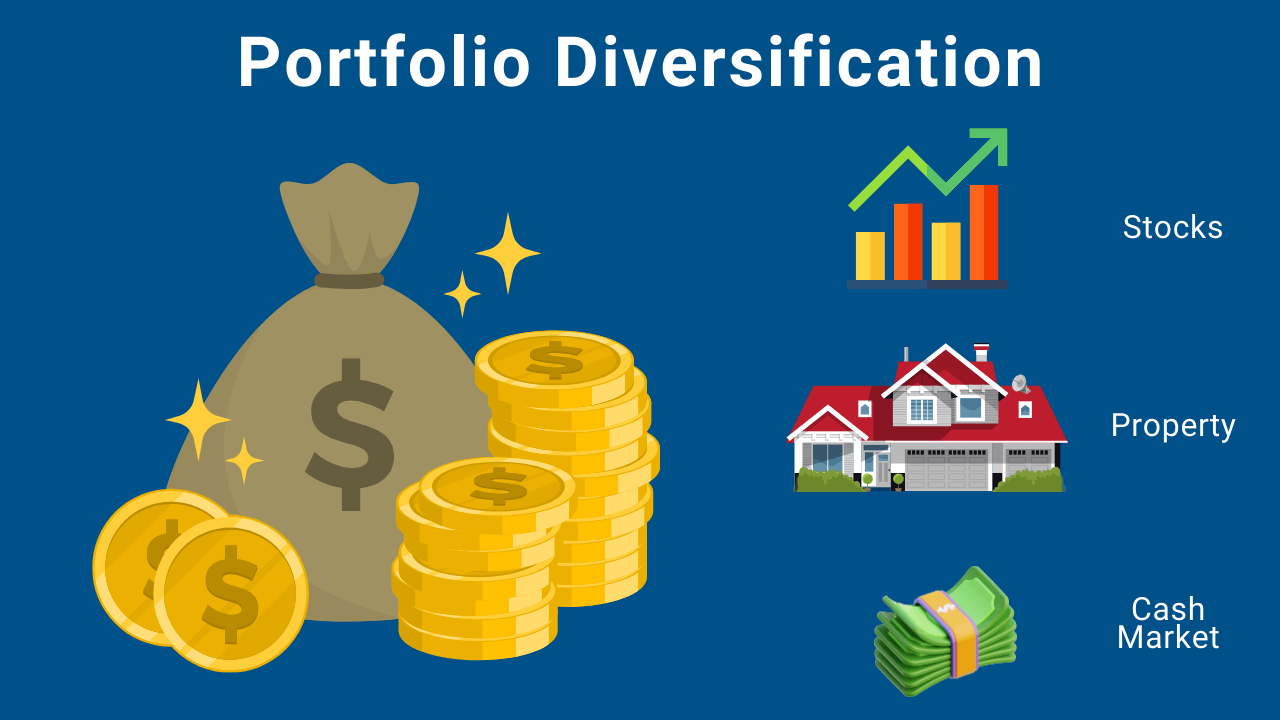
The second tip is to avoid panic-selling. The market will inevitably have bad days, weeks, or even years. As a long-term investor, your job is to stay calm and not sell your assets during a market downturn. Instead, you should see these dips as an opportunity to buy more assets at a discounted price. The third tip is to diversify your portfolio. Do not put all your eggs in one basket. Spreading your investments across different asset classes—stocks, bonds, real estate, and government programs—can help to minimize risk and protect your capital from market shocks. By following these strategic tips, you can leverage the power of time and compounding to achieve your long-term financial goals.
Conclusion
Long-term investment is a powerful strategy for building wealth in the Philippines. By harnessing the power of compounding and choosing the right investment channels, such as the stock market, mutual funds, real estate, or the Pag-IBIG MP2 program, you can grow your capital steadily over time. Success in long-term investing comes not from timing the market, but from starting early, staying disciplined, and diversifying your portfolio.