

Bonds are an essential component of a diversified investment portfolio, offering a stable income stream and a lower-risk profile compared to stocks. In the Philippines, investing in bonds has become increasingly accessible to individual investors, thanks to various government and corporate bond programs. This guide will provide a clear, step-by-step process for beginners on how to invest in bonds in the Philippines, covering the types of bonds available, the investment process, and key concepts you need to understand.
I. Understanding Bonds and Available Types
Before investing, it’s crucial to understand what a bond is and the different types you can invest in, as each carries a different level of risk and return.
What is a Bond and the Role of an Investor
A bond is a debt instrument issued by a government or a corporation to raise capital. When you buy a bond, you are essentially lending money to the issuer for a specified period of time. In return, the issuer promises to pay you a fixed interest rate, known as the coupon rate, at regular intervals (e.g., semi-annually or annually). When the bond reaches its maturity date, the issuer repays the original amount you invested, which is called the face value or principal. Unlike stocks, you are not an owner of the company; you are a creditor. This means you have a higher priority for repayment than stockholders in the event of bankruptcy.
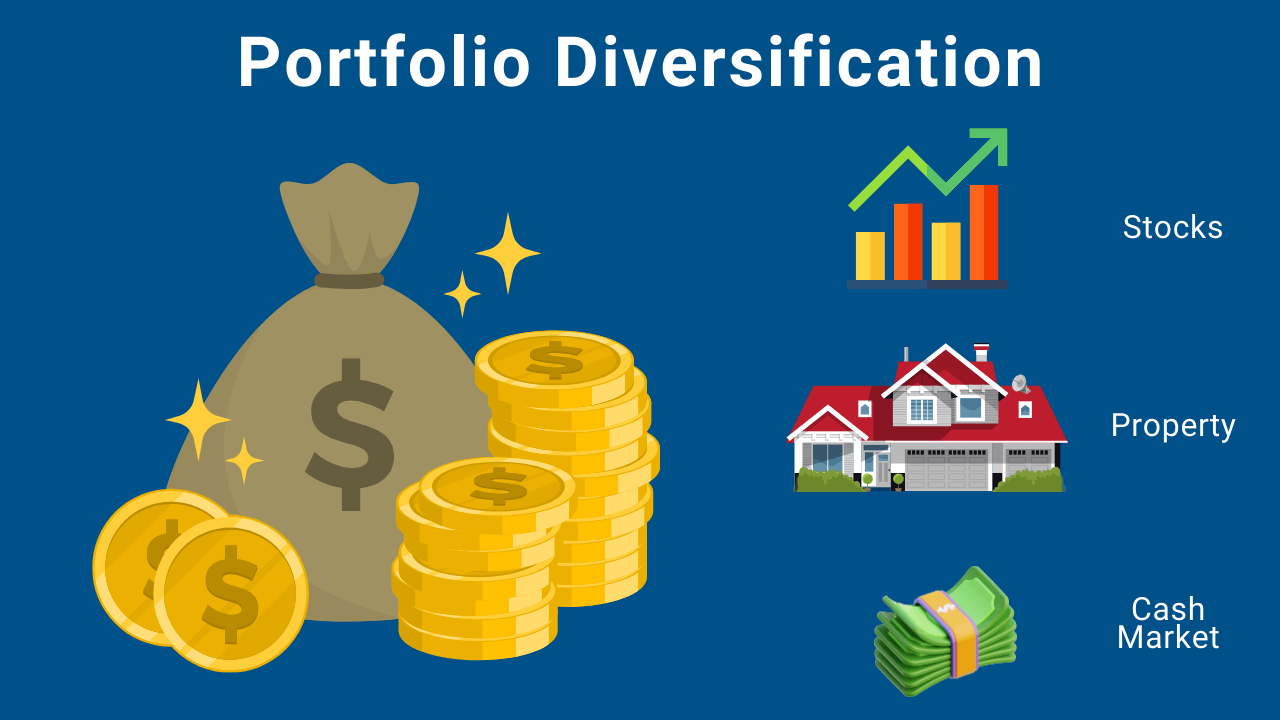
The primary benefit of investing in bonds is the stability and predictability of returns. You know exactly how much interest you will receive and when your principal will be returned. This makes bonds an excellent tool for capital preservation and a reliable source of passive income. Bonds are particularly suitable for investors with a low-risk tolerance, those nearing retirement, or those saving for a specific, medium-term goal. For a beginner, adding bonds to a portfolio helps to balance out the volatility of stocks, creating a more resilient investment mix.
Types of Bonds and Where to Buy Them
In the Philippines, bonds are categorized into two main types: government bonds and corporate bonds. Government bonds, such as Retail Treasury Bonds (RTBs), are issued by the Philippine government. They are considered the safest type of investment because the risk of the government defaulting on its debt is extremely low. RTBs are specifically designed for individual investors, with a low minimum investment amount (often as low as ₱5,000), making them highly accessible. You can purchase RTBs through issuing banks like BDO, BPI, Metrobank, or the government’s online platform.
Corporate bonds, on the other hand, are issued by private companies. They generally offer a higher interest rate than government bonds to compensate for the higher risk of default. The risk level depends on the financial health and creditworthiness of the issuing company. Corporate bonds can be purchased through major banks or brokerage firms, such as COL Financial, FirstMetroSec, and BDO Securities. These brokers serve as intermediaries, making it easy for you to buy and sell corporate bonds on the secondary market. When buying a corporate bond, it’s crucial to check the company’s financial standing and its credit rating, which is an assessment of its ability to repay its debt. A higher rating indicates a lower risk.
II. The Investment Process and Key Considerations
Investing in bonds is a straightforward process, but it requires careful preparation and understanding of key market factors.
Step-by-Step Guide to Investing in Bonds
The process of investing in bonds in the Philippines has become very user-friendly. First, you need to open a securities account with a licensed bank or a brokerage firm. This account will be used to hold your bond investments. For government bonds like RTBs, you can often do this directly at a participating bank. For corporate bonds, a brokerage account is the most common route. You will need to provide standard documents such as a valid government-issued ID, a Tax Identification Number (TIN), and proof of address.
Once your account is set up, you can place an order to buy bonds. If you are buying a new issuance of RTBs, the bank will guide you through the subscription process. For existing bonds (on the secondary market), you will need to place a buy order through your brokerage account. It’s essential to understand the bond’s face value, its coupon rate, and its maturity date before you commit. The yield-to-maturity (YTM), which represents the total return you will get from the bond if you hold it until maturity, is a crucial metric to consider. The YTM takes into account not only the coupon payments but also the price you paid for the bond.
Understanding the Risks and Making an Informed Choice
While bonds are generally considered low-risk, they are not risk-free. The main risk is credit risk or default risk, which is the possibility that the bond issuer will fail to pay the interest or principal. This risk is very low for government bonds but is a key consideration for corporate bonds. Another important risk is interest rate risk. Bond prices have an inverse relationship with market interest rates. If interest rates rise after you’ve purchased a bond, the market value of your bond will fall. This is because new bonds are being issued with higher coupon rates, making your old bond less attractive.
For a beginner, the best strategy is to start with government bonds like RTBs. They are easy to understand, have a low minimum investment, and carry almost no risk of default. As you gain more experience and confidence, you can explore corporate bonds from reputable, well-established companies. Always check the issuer’s credit rating, as it provides an objective measure of their creditworthiness. It’s also wise to diversify your bond holdings across different issuers and maturity dates. By doing so, you can minimize your exposure to any single company’s risk and manage interest rate risk more effectively. Ultimately, bonds should serve as a stable foundation for your portfolio, providing safety and a predictable income stream to balance out the higher-risk investments.
Conclusion
Investing in bonds in the Philippines is an excellent way to diversify your portfolio, secure a steady income stream, and preserve your capital. By understanding the key differences between government and corporate bonds, opening an account with a reliable institution, and conducting proper due diligence on the issuer’s creditworthiness, you can confidently navigate the bond market. For beginners, starting with accessible, low-risk Retail Treasury Bonds is the ideal first step toward building a resilient and balanced financial future.