


Investing in the Philippine Stock Exchange (PSE) offers exciting potential for growth, but choosing the right stocks is a critical step that separates successful investors from mere speculators. For beginners, the process can be daunting, with hundreds of listed companies and complex financial data. The most reliable method for long-term stock selection is Fundamental Analysis, which focuses on the intrinsic value of a company. This guide will walk you through the essential steps and key financial metrics needed to confidently choose stocks in the Philippines.
I. Screening and Evaluating a Company’s Financial Health
The first step in choosing a stock is to narrow down the thousands of options to a handful of financially sound companies using key metrics.
Analyzing Key Financial Ratios (P/E, EPS, Dividend Yield)
When choosing a stock in the Philippines, you must first look at a company’s financial health using essential ratios. The Price-to-Earnings Ratio (P/E) is arguably the most important metric. It measures the relationship between a company’s stock price and its earnings per share (EPS). Specifically, P/E tells you how many times more investors are willing to pay for every peso of the company’s annual earnings. A high P/E ratio suggests that the market has high growth expectations for the company, making it potentially overpriced, while a very low P/E might indicate that the company is undervalued or that it is facing fundamental problems. You should compare a company’s P/E ratio with the industry average and its historical P/E to determine if it is reasonably priced.
Earnings Per Share (EPS) is the company’s total profit divided by the number of outstanding shares. A consistently increasing EPS over several years is a strong indicator of a financially healthy and growing company. This shows that the company is effectively generating more profit for each share you own. Finally, the Dividend Yield is crucial for long-term, income-focused investors. This ratio measures the annual dividends paid out by a company relative to its share price. In the Philippines, many established companies offer attractive dividend yields, providing passive income alongside potential capital appreciation. A high, sustainable dividend yield is a sign of a mature company with strong cash flows, making it an excellent candidate for a long-term, buy-and-hold strategy.
Checking Debt Levels and Revenue Growth
Beyond the basic valuation metrics, a deeper dive into a company’s financial statements is necessary, focusing particularly on its debt levels and revenue growth. A company’s ability to manage its debt is a crucial factor in determining its long-term stability and resilience, especially during economic downturns. Look at the Debt-to-Equity Ratio (D/E), which measures the amount of debt a company is using to finance its assets relative to the amount of value represented in shareholders’ equity. A high D/E ratio indicates that the company is heavily reliant on borrowing, which can expose it to significant financial risk if interest rates rise or if its earnings decline. For beginners, prioritizing companies with conservative debt levels is a safe strategy.
Furthermore, you must assess the company’s revenue and profit growth over the last five to ten years. A healthy company should demonstrate consistent growth in both sales and net income. Revenue growth shows that the company’s products or services are in demand and that it is effectively expanding its market reach. Consistent profit growth confirms that the company is not only selling more but is also managing its costs efficiently. It’s important to look for sustainable growth, rather than sporadic spikes, which might be due to one-off events. By focusing on firms with prudent debt management and demonstrable, consistent growth, you select stocks that are more likely to weather economic storms and appreciate in value over the long run.
II. Qualitative Factors and Strategic Stock Selection
While numbers provide a strong foundation, the qualitative aspects of a company are often the true determinants of long-term success.
)
Assessing Management Quality and Competitive Advantage
The quality of a company’s management team and its competitive advantage are non-numerical factors that are vital for long-term investors. A strong management team is characterized by integrity, a clear long-term vision, and a proven track record of steering the company through various economic cycles. Look for management that communicates transparently with investors, has a history of making smart capital allocation decisions, and whose interests are aligned with those of the shareholders (often indicated by their own significant ownership stakes in the company). Poor management, even in a fundamentally sound business, can quickly destroy shareholder value through reckless acquisitions or inefficient operations.
The competitive advantage (or “moat,” as Warren Buffett calls it) is what allows a company to maintain high profitability and fend off competitors over the long term. This can manifest in several ways: a strong brand name (like Jollibee or San Miguel), a proprietary technology or patent, high barriers to entry (like those in the utility or telecommunications sectors), or a significant cost advantage. When choosing stocks in the Philippines, identify companies that dominate their industry and have a clear, sustainable edge that is difficult for rivals to replicate. Investing in a company with a strong moat ensures that its high returns are protected well into the future.
Strategic Selection and Diversification in the PSE
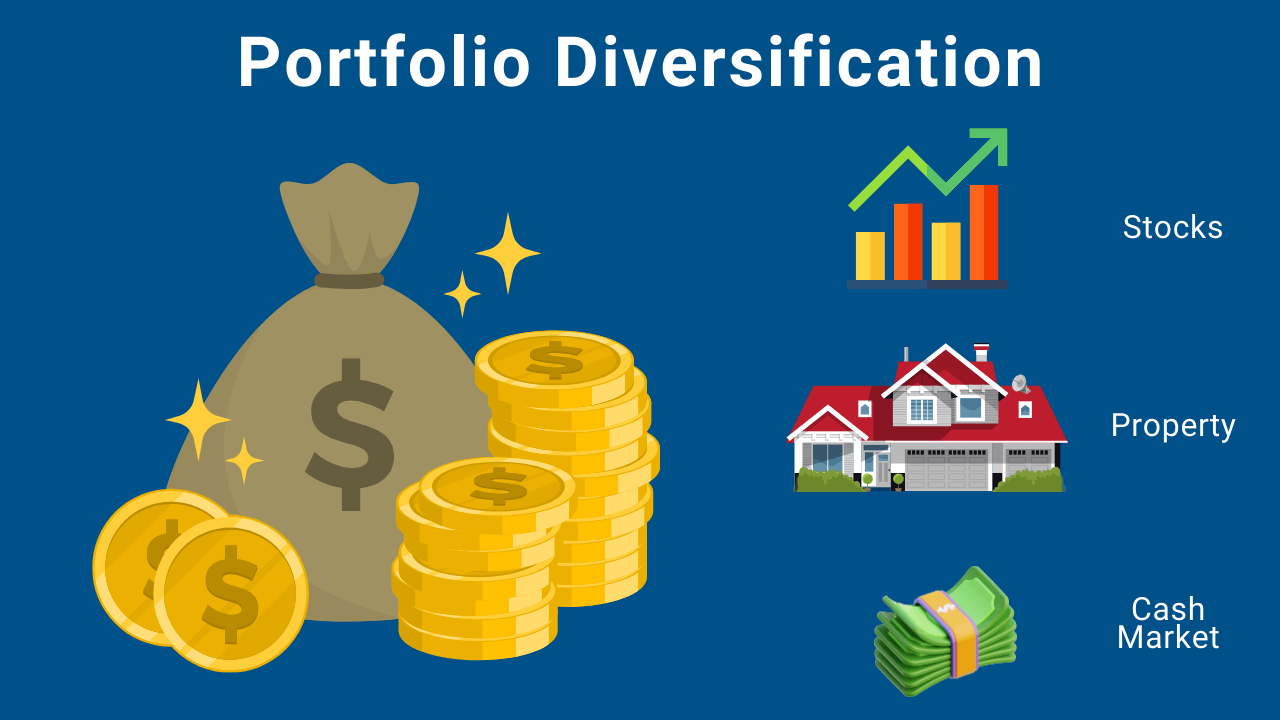
Once you have identified a list of fundamentally sound and qualitatively strong stocks, the final step is to incorporate them strategically into your portfolio. It is crucial to diversify your holdings across different sectors within the Philippine economy. Avoid putting all your capital into a single sector, such as banks or property developers, as a downturn in that industry could wipe out a significant portion of your wealth. Instead, create a balanced portfolio by including stocks from various sectors like financial services, real estate, industrials, holding firms, and consumer staples. This sectoral diversification mitigates unsystematic risk.
Furthermore, a beginner should focus on blue-chip stocks, which are stocks of large, well-established, and financially sound companies (often those within the PSEi). These stocks are generally more stable and less volatile than smaller-cap stocks. Lastly, consider using the Dollar-Cost Averaging (DCA) strategy. Instead of trying to time the market by buying all your shares at once, invest a fixed amount of money at regular intervals. This removes emotion from the buying process, reduces the risk of buying at a market peak, and ensures you consistently acquire shares regardless of short-term price movements—a perfect strategy for a long-term investor in the Philippines.
Conclusion
Choosing stocks in the Philippines requires a disciplined approach rooted in fundamental analysis. By diligently examining key financial metrics like P/E and EPS, assessing the company’s management and competitive moat, and strategically diversifying your portfolio across different sectors, you can significantly increase your chances of long-term investment success. Focus on buying shares of strong, well-managed Philippine companies at reasonable prices and holding them for the long haul.