


Real Estate Crowdfunding is rapidly transforming the Philippine property investment landscape, offering a revolutionary way for the average Filipino to participate in high-value real estate projects without requiring substantial capital. By pooling funds from a large number of investors through online platforms, this method democratizes access to assets traditionally reserved for wealthy individuals and institutions. This comprehensive guide will explore the mechanisms of real estate crowdfunding in the Philippines, detailing the types of investment models available, the crucial regulatory framework governing these platforms, and the inherent risks and rewards that investors must understand to strategically leverage this modern investment tool for portfolio growth.
Understanding the Crowdfunding Mechanism and Investment Models
Real estate crowdfunding fundamentally operates by connecting property developers seeking capital with a network of individual investors. In the Philippines, this model has gained traction due to the country’s booming real estate sector and the high demand for accessible, passive investment opportunities. However, navigating this market requires a clear understanding of the operational process and the distinct legal structures through which investments are channeled.
The Operational Flow and Legal Structures for Investment
The operational flow of real estate crowdfunding in the Philippines is built around secure, regulatory-compliant online platforms that serve as the intermediary between developers and investors. The process typically begins when a developer posts a specific project (e.g., a residential tower, a commercial building, or a land acquisition) seeking a defined amount of capital. The platform conducts rigorous due diligence, vetting the developer’s financial health, the project’s feasibility studies, and all necessary legal permits from agencies like the Housing and Land Use Regulatory Board (HLURB), now the Department of Human Settlements and Urban Development (DHSUD). Once approved, the project is listed, allowing registered retail investors to pledge minimum investment amounts, which can often be as low as to . The investment is usually structured through a Special Purpose Vehicle (SPV) or a corporate entity specifically created for the project. Investors essentially buy shares or equity in this SPV or lend money to the project, receiving ownership interest or fixed-rate returns, respectively. The platform manages the disbursement of funds to the developer and, crucially, handles the periodic distribution of returns, whether they be rental income or profits from the final sale. Transparency is a key feature, as platforms are generally required to provide regular updates on the project’s construction timeline, sales milestones, and financial performance. For the Filipino investor, this mechanism provides immediate, fractional ownership or debt exposure to large assets that would otherwise be unattainable, offering a passive income stream backed by tangible property. Understanding this legal and operational structure is vital for Filipino investors to ensure their funds are managed securely and legally throughout the project life cycle, from initial funding to final exit.
Equity vs. Debt Crowdfunding: Choosing Your Risk Profile
The two dominant models in real estate crowdfunding dictate the investor’s relationship to the property and the associated risk/reward profile: Equity Crowdfunding and Debt Crowdfunding. Equity Crowdfunding involves investors purchasing a stake or ownership interest in the development project. As fractional owners, investors share in both the profits (from rental income during operation or capital gains upon sale) and the losses. This model offers the highest potential returns if the project is highly successful, but it also carries the greatest risk, as the returns are directly tied to the property’s performance and market fluctuations. The timeline for returns is typically longer, often spanning several years until the property is fully developed and sold or generating stable rental income. For the investor seeking high capital appreciation and comfortable with long-term lock-up and volatility, equity is the appropriate choice. Conversely, Debt Crowdfunding, also known as peer-to-peer real estate lending, involves investors acting as lenders to the developer. The developer secures the loan with the property, and investors receive fixed, periodic interest payments (usually semi-annually or upon maturity). This model offers lower but more predictable returns than equity and is generally considered lower risk, as the fixed interest payments are contractual obligations of the developer, secured by the asset. The term is typically shorter, ranging from six months to three years. For the conservative Filipino investor seeking stable cash flow and shorter lock-up periods, debt crowdfunding provides a compelling alternative to traditional fixed-income investments. Investors must carefully assess their personal risk tolerance against the expected returns of each model, recognizing that the choice fundamentally shapes the nature of their involvement and the timing of their income generation.
Regulatory Compliance and Risk Management Strategies
The rapidly evolving nature of real estate crowdfunding in the Philippines necessitates a strong regulatory environment to protect investors. The Securities and Exchange Commission (SEC) plays a critical role in overseeing these activities. For investors, success hinges not only on choosing a regulated platform but also on executing rigorous due diligence and applying systematic risk management to their crowdfunded property portfolio.

SEC Oversight and Due Diligence on Crowdfunding Platforms
The rapid growth of real estate crowdfunding in the Philippines has prompted the Securities and Exchange Commission (SEC) to establish regulatory guidelines to safeguard public investors. Under the Securities Regulation Code (SRC) and subsequent rules, any platform offering investment contracts or shares to the public must be registered and authorized by the SEC. This compliance provides a crucial layer of protection, ensuring the platform adheres to standards of transparency, financial disclosure, and investor protection. For a Filipino investor, the first step in due diligence is verifying that the platform itself is SEC-registered and licensed to facilitate crowdfunding activities. Beyond the platform’s licensing, rigorous due diligence must extend to the specific projects listed. Investors should scrutinize the developer’s track record (have they successfully completed similar projects?), the project’s financial projections (are they realistic and well-supported by market data?), and the quality of the project’s legal documentation and permits. Key performance indicators (KPIs) to analyze include the Internal Rate of Return (IRR), the minimum investment amount, and the project’s target time horizon. Furthermore, investors should evaluate the platform’s exit strategy—how and when will they realize their return? Is it through a final property sale, refinancing, or a secondary market on the platform? Relying solely on the platform’s marketing materials is insufficient; savvy Filipino investors seek independent confirmation of property appraisals, market demand in the project’s location (e.g., Metro Manila, Cebu, or emerging areas), and the platform’s fee structure. The SEC’s regulatory framework provides the guardrails, but individual investor diligence remains the most potent defense against potential fraud or project failure.
Mitigating Concentration Risk and Portfolio Strategy
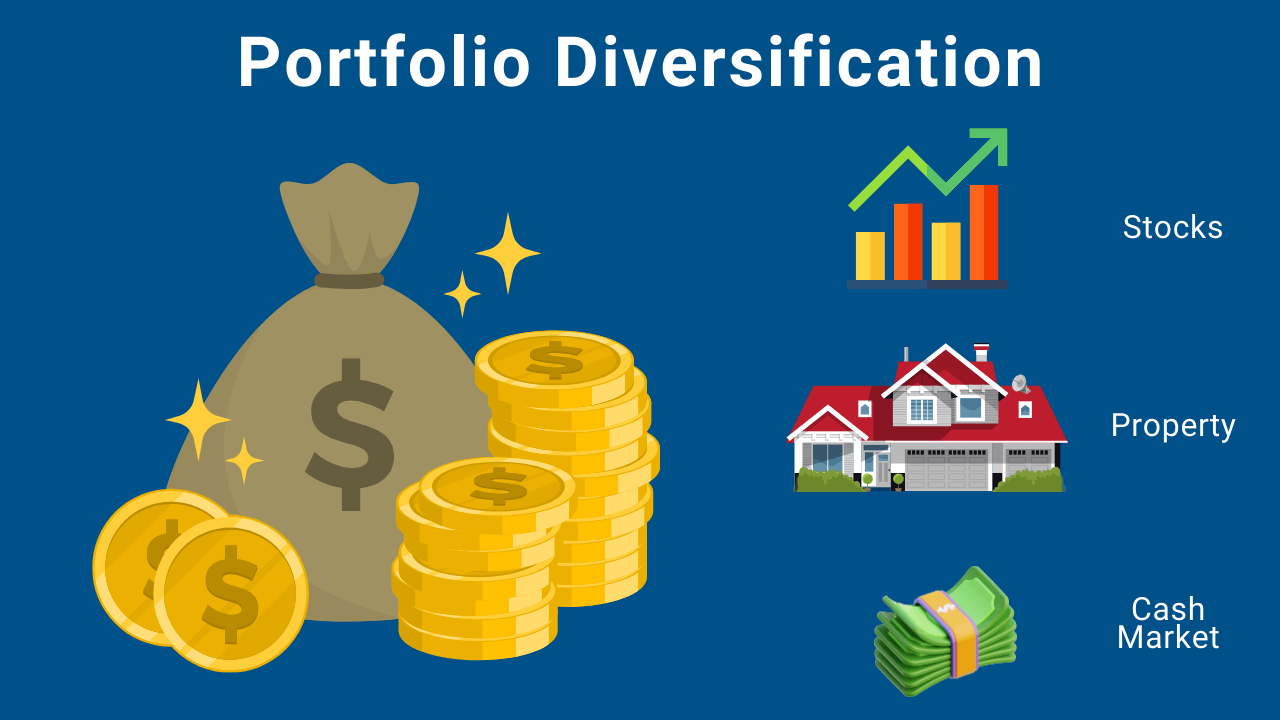
A crucial aspect of investing in crowdfunded real estate is mitigating the inherent concentration risk associated with property investment. Because each crowdfunded project is tied to a single asset, a localized downturn (e.g., oversupply in a specific neighborhood or unexpected construction delays) can severely impact that investment. Therefore, successful Filipino crowdfunding investors must apply diversification strategies within this asset class. This means spreading capital across various crowdfunded projects based on three key factors: Geography, Property Type, and Sponsor/Developer. Geographic diversification involves investing in projects across different Philippine regions—for example, allocating funds to commercial properties in Makati, residential developments in Cebu, and resort properties in Palawan. This buffers the portfolio against regional economic shocks. Property Type diversification means balancing allocations among residential, commercial, industrial, and specialized real estate (such as data centers or warehouses), as different property sectors perform optimally during different economic cycles. Finally, Developer/Sponsor diversification involves spreading investments across multiple, different developers, avoiding over-reliance on a single management team whose operational or financial risks could impact numerous projects. Furthermore, investors should not view crowdfunded real estate as their only investment; it should complement their traditional holdings in stocks, bonds, and mutual funds, acting as a critical component of their overall alternative investment allocation. By deliberately structuring a diverse portfolio within the crowdfunding space, investors can significantly dampen volatility and secure more predictable long-term returns.
Conclusion
Real Estate Crowdfunding offers a compelling, modern pathway for Filipinos to invest in the nation’s dynamic property market with unprecedented accessibility. Whether choosing the potential high reward of Equity Crowdfunding or the stable income of Debt Crowdfunding, investors benefit from fractional ownership and passive management. However, this accessibility demands strict adherence to regulatory checks and balances, requiring thorough due diligence on SEC-registered platforms and the projects they list. The key to long-term success lies in strategic diversification across regions and property types to mitigate concentration risk. By embracing this model with discipline and knowledge, Filipino investors can build a robust, diversified portfolio anchored by tangible real estate assets. What is the first step you will take to verify the regulatory compliance of a crowdfunding platform today?