

Government Securities (GS) in the Philippines represent one of the safest and most stable investment avenues available to both institutional and individual investors. Issued by the Philippine government, primarily through the Bureau of the Treasury (BTr), these instruments are essentially debt obligations backed by the full faith and credit of the Republic. For Filipino investors, especially those prioritizing capital preservation, understanding the different types of GS, the mechanisms of buying them, and their role in a diversified portfolio is crucial. This guide will provide a comprehensive overview of the Philippine GS market, detailing the distinct features of Treasury Bills and Bonds, outlining the accessible investment pathways for retail investors, and emphasizing the unparalleled role of these securities as a bedrock of financial stability.
Understanding the Landscape: Treasury Bills vs. Treasury Bonds
Government Securities are categorized primarily by their maturity period. The two main types available in the Philippine market are Treasury Bills (T-Bills) and Treasury Bonds (T-Bonds), each serving distinct investor needs based on liquidity preference and time horizon. Both are debt instruments issued by the national government, making them virtually risk-free in terms of credit default. However, their structures, interest mechanisms, and target audiences differ significantly, requiring investors to understand these nuances before committing capital.
Treasury Bills (T-Bills): Short-Term Liquidity and Discount Structure
Treasury Bills (T-Bills) are the short-term debt instruments of the Philippine government, characterized by their maturity periods of one year or less, typically 91, 182, or 364 days. Their defining feature is that they are zero-coupon instruments, meaning they do not pay periodic interest. Instead, T-Bills are sold at a discount to their face value, and the investor earns the difference between the discounted purchase price and the full face value received upon maturity. For instance, if an investor purchases a T-Bill with a face value of for , the difference is the interest earned. This mechanism makes calculating the rate of return straightforward, appealing to investors who seek predictable short-term income. T-Bills are highly favored by commercial banks and large corporations due to their high liquidity and minimal risk, making them an excellent choice for parking emergency funds or capital needed within the next twelve months. The Philippine government conducts weekly auctions for T-Bills, with minimum denominations often set high for institutional access. However, recent initiatives, notably the Retail Treasury Bonds (RTBs), have made these short-term instruments indirectly accessible to retail investors through simplified platforms, lowering the entry barrier significantly. The primary role of T-Bills in an individual’s portfolio is to manage liquidity risk—ensuring capital is safe and accessible quickly—while earning a modest, guaranteed return superior to standard bank deposits. Their short duration also makes them less susceptible to interest rate risk compared to longer-term bonds, adding another layer of security for conservative Filipino investors.
Treasury Bonds (T-Bonds): Long-Term Stability and Fixed Coupon Payments
Treasury Bonds (T-Bonds) represent the medium- to long-term debt instruments issued by the Philippine government, with maturities ranging from over one year up to 25 years. Unlike T-Bills, T-Bonds are coupon-bearing instruments, meaning they pay a fixed interest rate (the coupon rate) periodically, typically semi-annually, throughout the life of the bond. This feature makes T-Bonds particularly attractive to investors who require a steady, predictable stream of income, such as retirees or individuals planning for major life events decades in advance. The fixed coupon rate provides certainty of income regardless of future fluctuations in market interest rates. The standard T-Bonds are issued in large denominations, often accessible through primary dealers and brokers. However, the Bureau of the Treasury (BTr) frequently issues Retail Treasury Bonds (RTBs) specifically tailored for the general public, lowering the minimum investment amount dramatically, sometimes to as low as or . RTBs are essentially T-Bonds marketed directly to retail investors, providing them the same sovereign credit guarantee and fixed income benefits. While T-Bonds offer capital preservation and reliable income, their long maturities expose them to greater interest rate risk; if prevailing market rates rise, the value of existing T-Bonds (with lower fixed coupons) may fall in the secondary market. Thus, investors planning to hold the bond until maturity are protected, but those who might need to sell early must be aware of potential price fluctuations. T-Bonds are the backbone of a long-term, low-risk portfolio, ideal for stabilizing overall returns and generating reliable cash flow.
Accessing GS: Pathways for Retail Investors and Portfolio Role
Historically, Government Securities were dominated by institutional players like banks and pension funds. However, through strategic programs, the Philippine government has successfully democratized access, making GS a viable option for the average Filipino retail investor. Understanding these accessible pathways and the strategic function of GS within a personal portfolio is essential for sound financial planning.

The Accessibility of Retail Treasury Bonds (RTBs) and Online Channels
The primary gateway for Filipino retail investors seeking to purchase Government Securities is the recurrent issuance of Retail Treasury Bonds (RTBs). These instruments are specifically designed to be accessible to the common investor, breaking down the traditional barriers of high minimum investments and complex application processes. The BTr launches RTB offerings periodically, often every year or two, with minimum denominations made affordable, typically starting from . The application process is streamlined through accredited selling agents, which include major commercial banks (like BDO, Metrobank, BPI) and online platforms. The latest government initiatives have further simplified this process through online platforms and mobile apps (such as the BTr’s bond offering apps), allowing investors to subscribe, pay, and manage their investments digitally, eliminating the need to physically visit a bank branch. This online accessibility has dramatically increased financial inclusion, enabling overseas Filipino Workers (OFWs) and those in remote provinces to participate. RTBs carry the same sovereign guarantee as their institutional counterparts, offering interest payments semi-annually and ensuring the principal is repaid upon maturity. The popularity of RTBs stems from their low-risk nature and their liquidity (they can often be sold prematurely in the secondary market, though market price risk applies). For retail investors building their foundation, RTBs provide a safe, convenient, and predictable method to generate fixed income, making them an indispensable tool for achieving financial security and stability in the local market.
The Strategic Role of GS in Capital Preservation and Diversification
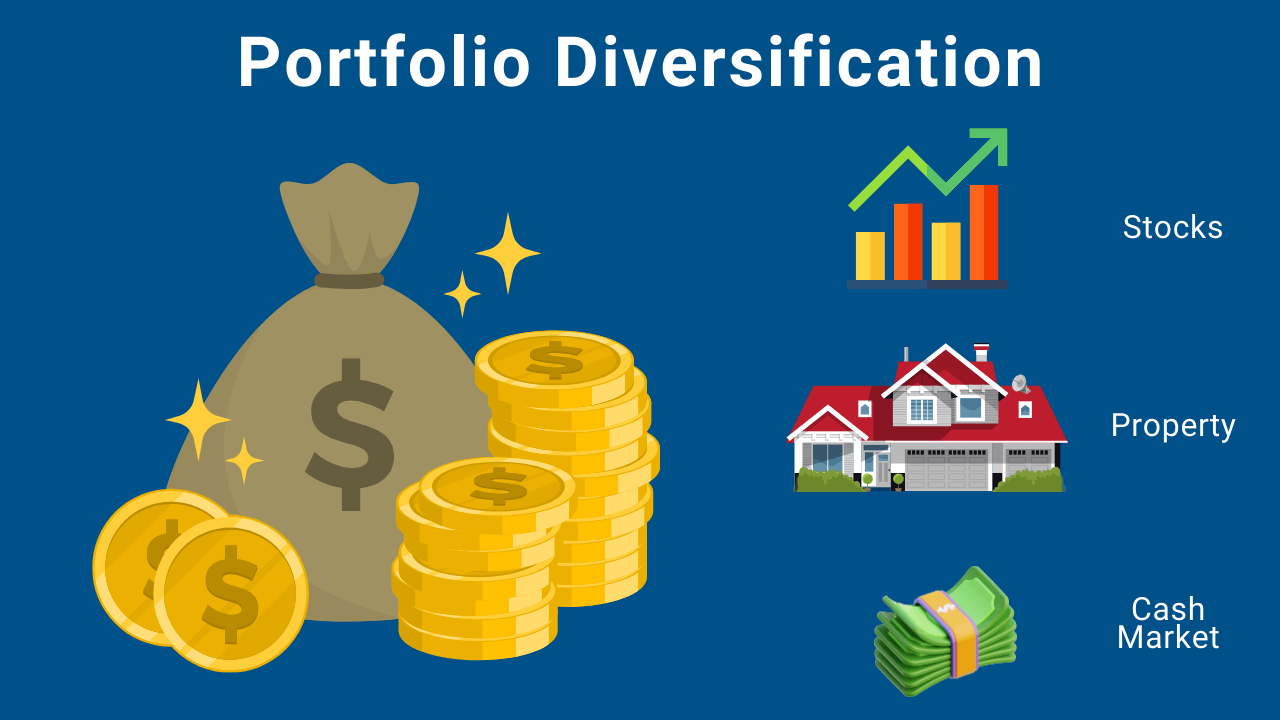
The most crucial function of Government Securities in a Filipino investor’s portfolio is capital preservation and risk-dampening diversification. Due to the backing of the Philippine government, GS are considered to have the lowest credit risk among all peso-denominated investments. This makes them the ultimate “safe haven” for the capital base of any portfolio, serving as a critical safety net during periods of equity market volatility or economic uncertainty. When the Philippine Stock Exchange Index (PSEi) experiences sharp declines, GS typically hold their value or even appreciate, providing a crucial counterbalance and reducing the overall portfolio drawdown. In terms of portfolio construction, GS should form the fixed income component, balancing the higher-risk, higher-return equity component. The appropriate allocation to GS depends heavily on the investor’s risk profile and time horizon; a conservative or near-retiree investor should allocate a higher percentage to GS, while a young investor with a long horizon may keep a smaller, yet still essential, allocation. Furthermore, GS provide liquidity; T-Bills ensure funds are available within a year, while T-Bonds ensure long-term, scheduled cash flow. Beyond safety, the guaranteed income from coupons acts as a stable income floor, smoothing out the lumpiness of equity returns. By maintaining a strategic allocation to GS, Filipino investors ensure that their core capital is protected, providing the peace of mind necessary to take calculated risks in other, higher-growth assets like stocks or property.
Conclusion:
Government Securities in the Philippines are more than just a treasury instrument; they are the bedrock of investment safety for the Filipino public. From the short-term liquidity of Treasury Bills to the long-term, predictable income of Retail Treasury Bonds (RTBs), these sovereign-backed debts offer an unparalleled combination of low credit risk and accessible participation for retail investors. By utilizing the streamlined pathways, especially the periodic RTB offerings, Filipino investors can effectively protect their core capital, secure a stable stream of fixed income, and establish a crucial foundation for a truly diversified and resilient portfolio. Have you assessed your current portfolio’s need for capital preservation and considered your next RTB subscription?