


Investing in mutual funds is a smart and accessible way for Filipinos to grow their wealth over time. Mutual funds are professionally managed investment vehicles that pool money from multiple investors to buy a diversified portfolio of stocks, bonds, or other assets. This guide will provide a comprehensive overview of mutual funds, key metrics for evaluating their performance, and a list of some of the best-performing funds in the Philippines, helping you make an informed decision on where to invest your hard-earned money.
I. Understanding Mutual Funds and Key Performance Metrics
Before diving into specific funds, it’s essential to understand what mutual funds are and how to properly evaluate them. This knowledge will empower you to choose a fund that aligns with your financial goals and risk tolerance.
What are Mutual Funds and why are they a top choice for Filipinos?
A mutual fund is an investment company that gathers money from a large number of investors and invests it in various securities, such as stocks and bonds. This collective pot of money is managed by a team of professional fund managers who make investment decisions on behalf of all the investors. The fund’s value is calculated by its Net Asset Value per Share (NAVPS), which is the total value of all its assets minus its liabilities, divided by the number of shares. This value fluctuates daily based on the performance of the underlying investments. The primary reason why mutual funds are a top choice for Filipinos, particularly beginners, is the benefit of professional management. With a mutual fund, you don’t need to spend countless hours researching individual companies or analyzing market trends. You’re entrusting your money to experts who have the knowledge, experience, and resources to make sound investment decisions.
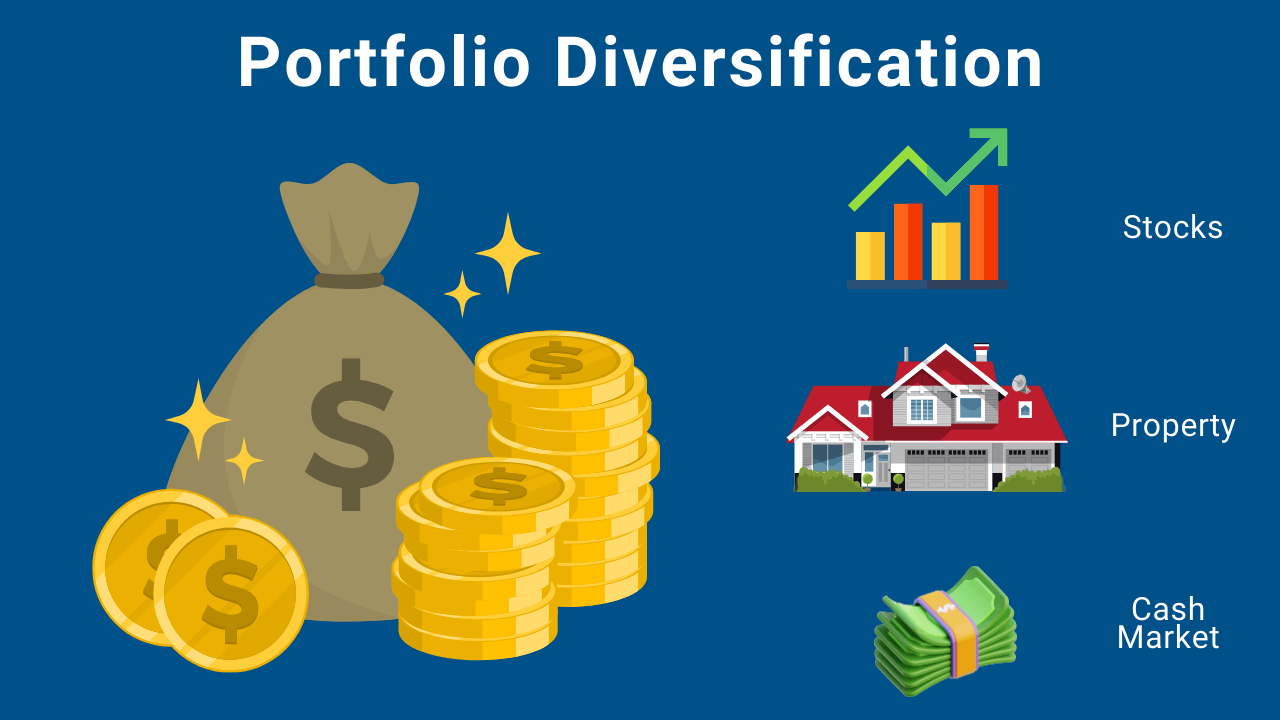
Another significant advantage is diversification. With a relatively small amount of money, you can own a piece of a well-diversified portfolio that would be impossible to build on your own. For example, a single mutual fund share might give you exposure to 50 or more different companies, spreading your risk and protecting you from a single stock’s poor performance. This is a crucial principle of investing and a key reason why mutual funds are considered a safer option than buying individual stocks. Lastly, mutual funds are highly accessible. Many fund companies in the Philippines, such as Sun Life and ATRAM, have low minimum investment requirements, sometimes as low as P1,000 to P5,000, making them an excellent entry point for anyone, regardless of their income level. These factors make mutual funds an ideal solution for Filipinos who want to invest but lack the time, expertise, or large capital required for direct investing.
Key Metrics to Analyze Before Investing in a Fund
Choosing the best fund is not about picking the one with the highest recent returns. A proper evaluation requires a deeper look at several key metrics. The most important metric is Fund Performance, but you should look at it over different time frames: 1 year, 3 years, 5 years, and 10 years. A fund that has consistently performed well over a long period is generally more reliable than one that has just had a great year. You should also compare the fund’s performance against its benchmark index. For example, if you’re evaluating a Philippine equity fund, you should compare its returns to the Philippine Stock Exchange Index (PSEi). If the fund consistently outperforms the index, it indicates that the fund manager is adding value.
Another critical metric is the Expense Ratio, which represents the annual fee charged by the fund manager to cover management and operating expenses. This fee is a percentage of your total investment and is automatically deducted from the fund’s returns. A lower expense ratio means more of your money stays invested, which can have a significant impact on your long-term returns due to compounding. Finally, you should research the Fund Manager’s Track Record. Look at the experience and reputation of the fund manager and the company they work for. A manager with a proven history of navigating different market cycles can inspire confidence. By thoroughly analyzing these metrics, you can move beyond a superficial comparison and choose a fund that has a strong track record, reasonable fees, and a management team you can trust.
II. Top-Performing Mutual Funds in the Philippines (as of 2024-2025)
Based on recent market performance and long-term track records, several funds in the Philippines have consistently delivered strong returns. However, it’s crucial to remember that past performance is not a guarantee of future results.

Best-Performing Equity Funds for Long-Term Growth
For investors with a long-term horizon (5-10 years or more) and a higher risk tolerance, equity funds are a top choice. These funds invest primarily in stocks, aiming for maximum capital appreciation. One of the top-performing funds in this category is the Sun Life Prosperity Philippine Equity Fund. Managed by Sun Life Asset Management Company, Inc. (SLAMCI), this fund has a long and impressive track record of outperforming its benchmark, the PSEi. Its strong performance is attributed to a disciplined investment approach and a focus on fundamentally sound companies with strong growth potential. The fund’s strategy involves a mix of large-cap and mid-cap stocks, providing a balance of stability and growth.
Another notable performer is the ATRAM Philippine Equity Opportunity Fund. Managed by ATRAM Trust Corporation, this fund has also shown remarkable returns by identifying and investing in undervalued stocks and sectors with high growth potential. Their research-driven approach and active management style have consistently delivered alpha (returns above the market index). A third excellent option is the BPI Philippine Equity Index Fund. While it aims to mirror the performance of the PSEi, it’s a great low-cost option for investors who want broad market exposure without the risk of a single stock. When considering these funds, it’s vital to check their most recent NAVPS and performance reports, as market conditions can change.
Top-Performing Bond Funds and Balanced Funds for Stable Returns
For investors who prioritize stability and regular income, bond funds and balanced funds are more suitable. These funds are ideal for medium-term goals, such as saving for a down payment on a house or for a child’s education. A top performer in the bond fund category is the Sun Life Prosperity Bond Fund. This fund invests primarily in fixed-income securities like government and corporate bonds. Its main objective is to provide a steady income stream and capital preservation, making it a low-risk alternative to an equity fund. Its consistent performance and stable returns have made it a popular choice for conservative investors.
For those who want a blend of stability and growth, balanced funds offer a great compromise. The Sun Life Prosperity Balanced Fund is a leading example. This fund maintains a mix of both stocks and bonds, allowing it to generate growth from its equity portion while providing stability from its bond holdings. This strategy helps to cushion against market downturns, as losses in the stock market are often offset by gains in the bond market. Another strong contender is the BPI Global Bond Fund. While it invests in a global portfolio of bonds, it still provides stable returns and currency diversification. These funds are excellent for investors who have a moderate risk tolerance and are saving for a goal that is a few years away.
Conclusion
Investing in mutual funds is one of the most effective and accessible ways for Filipinos to grow their wealth. By understanding what mutual funds are, how to evaluate their performance using key metrics, and identifying top performers in both equity and fixed-income categories, you can build a diversified and robust investment portfolio. Remember to always align your choice of fund with your personal financial goals and risk tolerance, and to regularly review your investments to ensure they are on track to meet your objectives.